
20 Examples of Personal Branding That Actually Work (And What You Can Learn From Each)


If you have ever searched for examples of personal branding and landed on a list of celebrities you already know, you are not alone and you deserve better than that.
The best personal branding examples are not just the biggest names. They are the people who built something intentional — a presence, a reputation, a body of work that made the right people pay attention, trust them faster, and choose them over everyone else in the room.
In this article, we break down 20 of the most instructive examples of a personal brand across different niches, industries, and platforms. Whether you are a founder, executive, creator, or professional, there is a blueprint here for you.
What is Personal Branding and why does it matter in 2026?
Before diving into the examples, a quick grounding: personal branding is the intentional practice of shaping how you are perceived by communicating your story, your values, your expertise, and your personality in a way that is both authentic and strategic.
The numbers make a compelling case for why it matters. According to research from early 2026, 92% of people trust recommendations from individuals over companies.
Meanwhile, 86% of consumers say authenticity in personal branding directly influences which brands they choose to support. And for business owners specifically, 53% of consumers say they trust a company more when there is a strong, visible personal brand behind it.
In a world saturated with content and increasingly skeptical of corporate messaging, your personal brand is the most powerful trust-building tool you have. The examples of personal branding below show exactly how that trust gets built and what it can unlock.
20 Examples of Personal Branding Across Every Niche
Taylor Swift — Storytelling, Reinvention, and Community

Taylor Swift may be the most studied example of personal branding in entertainment. What makes her brand exceptional is not just her storytelling but also her mastery of reinvention. She has moved between genres, aesthetics, and eras without ever losing her audience, because each evolution is framed as a natural extension of her story rather than a departure from it.
Her relationship with her audience — called Swifties — is also a model for community-driven personal branding. She has built a fan base that does not just consume her content; they participate in it, decode it, and advocate for it as if it were their own.
The lesson: You do not have to stay the same to stay. There’s power in being vulnerable and sharing your personal stories and journey to your audience.
Michelle Obama — Empowerment and Integrity
Michelle Obama's personal brand is one of the clearest examples of a personal brand built on values-first positioning. Her influence did not come from self-promotion but it came from decades of consistent behavior that reflected her stated beliefs in education, health, and the empowerment of women and girls.
Her memoir Becoming became one of the bestselling books of all time not because of her celebrity but because of the depth of trust her personal brand had built over years.
People already believed in her before she asked them to invest in her story.
The lesson: The most durable personal brands are not built in marketing campaigns. They are built through consistent, values-aligned action over time.
trusted. As long as your reinvention is rooted in authenticity, your audience will follow.
Oprah Winfrey — Media, Empowerment, and Storytelling
Oprah's personal brand is one of the most powerful examples of a personal brand ever built. Before "personal branding" was even a concept, she had already mastered it by building an entire media empire around her own story, her own voice, and her unwavering commitment to human connection.
Her brand is inseparable from her identity. Empathy is not a marketing strategy for Oprah, it is who she is, and her audience has always known the difference. That authenticity created a level of trust that no advertising budget could replicate.
The lesson: The strongest personal brands are not built on what you do but they are built on who you are.
Rihanna — Authenticity Across Industries
Rihanna's transition from artist to entrepreneur is one of the most studied personal branding examples in modern business. Fenty Beauty did not succeed just because the products were good, it succeeded because her personal brand made the launch credible from day one.
Her brand is built on inclusivity, authenticity, and a refusal to fit the mold. When she launched 40 foundation shades, it was an extension of who she has always been. Her audience trusted her because her values were never just marketing.
The lesson: When your personal brand is built on genuine values, every business you launch inherits that credibility.
Alix Earle — Creator-to-Founder and Radical Vulnerability
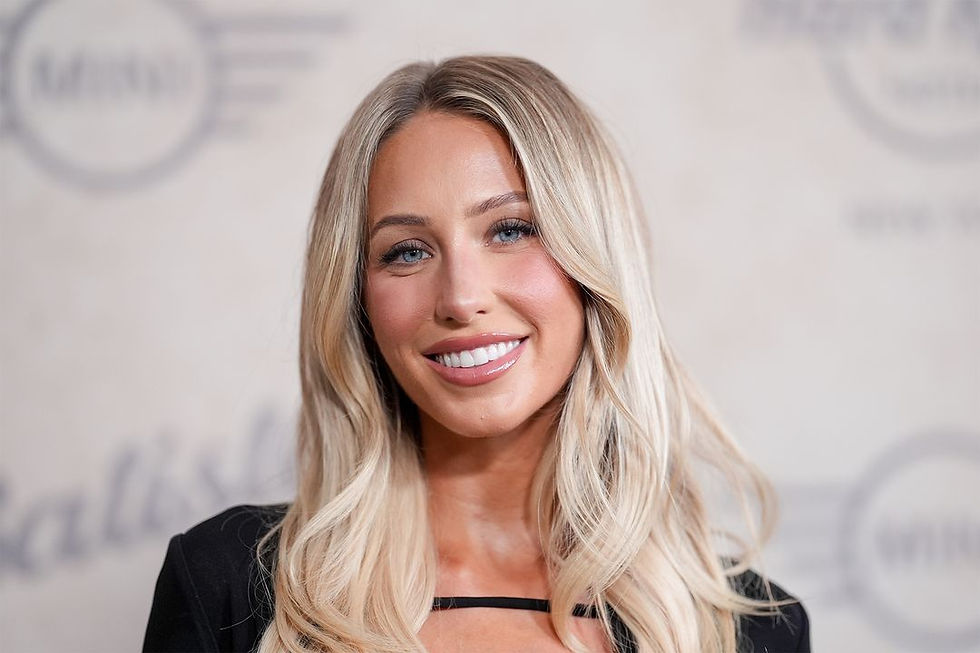
Alix Earle is one of the most studied personal branding examples to emerge from the creator economy in the last three years. She built her initial following by doing the opposite of what most influencers do: posting bare-faced during a severe acne breakout instead of going dark. That single decision to show up at her worst instead of waiting to show up at her best launched a million followers overnight.
By 2026, she had 14 million followers across TikTok and Instagram, appeared in four Super Bowl commercials, taken equity stakes in brands like Poppi (which sold to PepsiCo for $1.95 billion), and launched her own skincare brand Reale Actives — backed by the same venture firm behind Skims. She has been invited to teach at Harvard Business School twice. Her brand works because it was never built on aspiration. It was built on honesty, and every business move since has been an extension of that.
The lesson: Your personal stories are the one thing no one can take from you and no one can copy.
Alex Cooper — Podcasting, Media Empire, and Knowing Your Audience

Alex Cooper turned a cheeky podcast into one of the most valuable media empires in the world. What started as Call Her Daddy in 2018 became a $60 million Spotify deal, then a $125 million SiriusXM deal, the largest contract for a woman-led podcast in history. By 2025, she had launched Unwell Network, an 11-podcast media company with roughly 100 employees, a clothing line, a beverage brand, live events, and a production arm.
In 2026, she expanded further with the Unwell Creative Agency, helping major brands like Google connect with her predominantly female Gen Z and millennial audience.
Her brand works because she understands her audience at a level most media companies cannot match. She has turned down millions in brand deals that did not align with her community's values. That discipline is what makes the Daddy Gang — her loyal audience, one of the most trusted consumer communities on the internet.
The lesson: Knowing your audience better than anyone else is a competitive advantage no budget can buy. Protect it fiercely.
Emma Chamberlain — Authenticity at Scale and Turning Obsession into Empire

Emma Chamberlain arrived on YouTube as a teenager with chaotic editing, deadpan humor, and a genuine love of coffee. She was not trying to be a brand and that was exactly why she became one. Her unfiltered, imperfect content style influenced an entire generation of creators and attracted the attention of Louis Vuitton, Cartier, and Prada before she was 21.
In 2020, she launched Chamberlain Coffee — not because it was a good business opportunity, but because she had been documenting her coffee obsession on camera for years and her audience had already bought into it. By 2025, the brand had raised over $14 million in funding, expanded into over 8,500 stores including Target, Whole Foods, and Walmart, and projected revenue of $33 million. She also became co-CEO, opened a physical café in Los Angeles, and continued hosting a top-ranked Spotify podcast. Her brand works because the product feels like her handwriting, her humor, and her morning routine. You cannot separate the brand from the person because the person is the brand.
The lesson: Do not ask what you should sell. Ask what you already embody so fully that selling it would feel like sharing it.
Selena Gomez - Founder, Creator, and a Personal Brand that has years of foundation
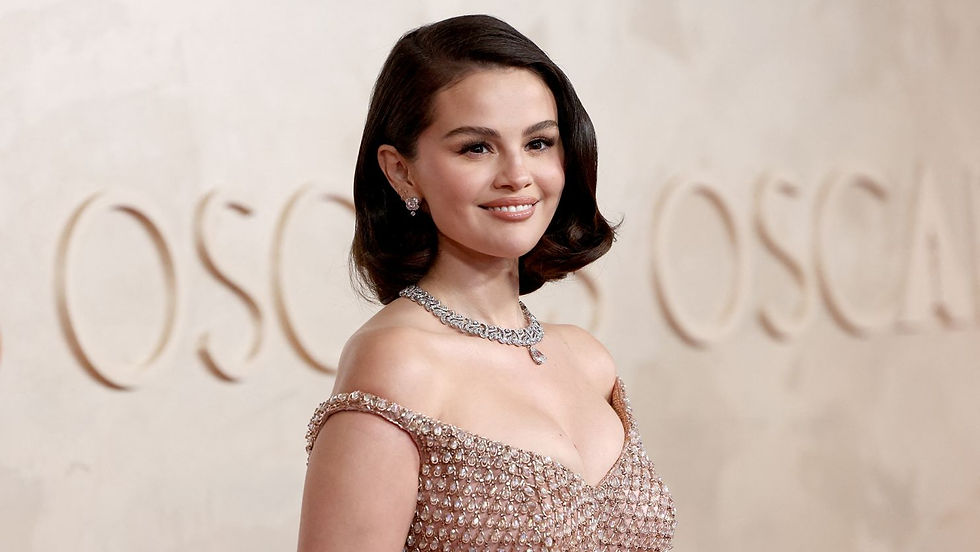
Selena Gomez is a global artist, entrepreneur, and founder of Rare Beauty, a cosmetics brand built on the mission of redefining beauty standards and supporting mental health. After years in the public eye as a singer and actress, she leveraged her platform to create a brand that goes beyond products, focusing on self-acceptance, inclusivity, and real conversations around mental well-being. Rare Beauty quickly became one of the most impactful celebrity-founded brands, known not just for its quality but for its purpose-driven positioning.
Through her transparency around her own mental health journey, Selena has built a deeply authentic connection with her audience. She consistently uses her voice to advocate for causes she believes in, integrating her personal values into her business. This alignment has allowed her to create a brand that feels human, relatable, and trusted, while also achieving strong commercial success in a highly competitive market.
The lesson: The most powerful personal brands are built on authenticity and purpose. When your story, values, and business are aligned, you create not just visibility, but real connection and long-term impact.
Brené Brown — Vulnerability and the Power of Expertise Delivered with Humanity

Brené Brown's personal brand is perhaps the clearest example of academic expertise transformed into cultural influence. She spent years researching vulnerability and shame as a social work professor before a single TED Talk changed everything. Her willingness to share her own research in the context of her own life made her ideas not just intellectually compelling but emotionally resonant.
Her brand is built on the courage to be honest — about her research, her struggles, and her evolving understanding of what it means to live and lead with integrity. That honesty is what made her one of the most trusted voices in leadership and personal development worldwide.
The lesson: Expertise alone does not build a personal brand. Expertise delivered with humanity does.
Codie Sanchez — Contrarian Investing and the Power of a Specific Point of View
Codie Sanchez built her personal brand by owning a lane no one else was in. While most finance creators were talking about stocks and crypto, she focused on buying boring businesses — laundromats, car washes, service companies — and turned that contrarian thesis into a media brand called Contrarian Thinking.
Her personal branding example shows the power of a clear, ownable point of view. She was not just a finance creator. She was the person who made acquisitions accessible to everyday entrepreneurs, and that specificity made her brand impossible to ignore.
The lesson: The more specific your point of view, the easier it is for the right people to find you — and trust you.
Jaclyn Johnson — Business Mentor & Community Builder

Jaclyn Johnson, founder of Create & Cultivate, built her personal brand by becoming the voice and face of modern working women navigating ambition, career growth, and entrepreneurship. What started as a conference evolved into a global platform, largely driven by her ability to consistently show up, share insights, and create spaces for connection.
She knows exactly who she speaks to and what she stands for. Through content, speaking, and community-building, she has positioned herself not just as a founder, but as a trusted guide for a specific audience. Her personal brand does not sit beside her business. It drives it.
The lesson: You can build a business through building a community and providing your audience a safe space whether in events or your content
Marie Forleo — Business Education and Leading with Personality
Marie Forleo built one of the most recognizable personal brands in the online business education space entirely on the strength of her personality and her conviction that everything can be figured out. She started with a dance fitness business, pivoted to coaching, and built Marie TV and B-School into a multi-million dollar brand by being relentlessly herself — energetic, direct, and deeply invested in the success of her community.
Her brand works because her audience does not just learn from her — they feel seen by her. She made personal development and business education feel human rather than corporate, and that warmth has driven loyalty that most brands cannot manufacture.
The lesson: Your personality is not separate from your brand. It is the brand.
Sara Blakely — Entrepreneurship and the Power of Sharing the Hard Parts
Sara Blakely turned a personal frustration into a billion-dollar company and her personal brand was central to Spanx's success from day one. She never hid behind the brand. She told her story openly: the rejections, the self-doubt, the years of cold calling, the decision to trust herself when no one else did.
That vulnerability built a brand that felt earned rather than manufactured. Her openness about failure, her humor about the journey, and her genuine passion for helping women feel confident created a loyal audience long before "founder-led branding" was a recognized strategy.
The lesson: Sharing the hard parts of your story does not weaken your brand. It is often what makes people trust you most.
Mel Robbins — Mindset, Practicality, and Starting From the Wrong Place
Mel Robbins is one of the most instructive personal branding examples for anyone who has ever felt like they started too late or from the wrong position. She was not a polished celebrity or a lifelong motivational speaker — she was a lawyer in debt who gave a TEDx talk about a simple counting technique she invented to get herself out of bed in the morning.
That talk became one of the most watched TED talks of all time, and she built a global brand from it: books, a podcast, a CNN show, and a media company. Her brand works because it is built entirely on practical, lived-in advice and not aspirational performance. She talks to her audience like a trusted friend, not a guru.
The lesson: You do not need a perfect origin story. You need an honest one.
15. Hailey Bieber — Beauty and style icon and industry leader entrepreneur
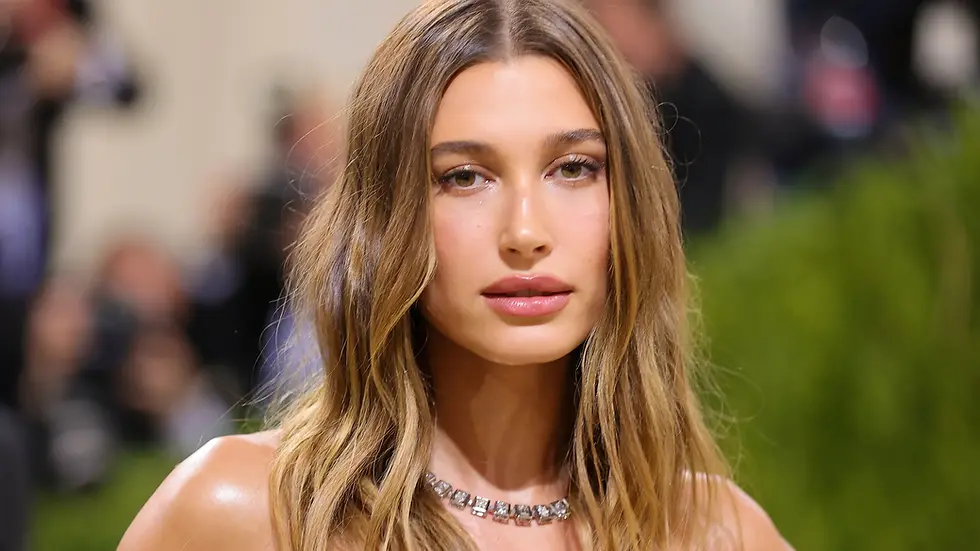
When we think of Hailey Bieber we think about how she has it all. A successful business and the wife of pop prince Justin Bieber. Despite the surname she carries, she has built her own name in the industry as an entrepreneur and creative. She has successfully sold her business Rhode for 1 billion dollars making it one of the most talked about beauty business acquisitions.
The lesson: You can build your own path by choosing innovation and what you love.
Whitney Wolfe Herd — Founder Visibility and Mission-Led Branding
Whitney Wolfe Herd became the youngest woman to take a company public in the US when Bumble listed in 2021 — and her personal brand was a significant part of what made Bumble credible. She was not just the CEO. She was the embodiment of the brand's values: women-first, purpose-driven, and willing to speak openly about her own difficult experiences in the industry.
Her personal branding example shows how a founder's story, when it genuinely aligns with the company's mission, becomes the most powerful marketing tool available. Bumble was not just an app. It was a statement, and she was the living proof of why it mattered.
The lesson: When your personal story and your company's mission are genuinely aligned, your visibility becomes your most valuable growth asset.
Dr. Julie Smith — Mental Health and Making Expertise Accessible
Dr. Julie Smith is a clinical psychologist who built a multi-million follower audience on TikTok by doing something deceptively simple: making real mental health education accessible, practical, and free. While most mental health content online was either overly clinical or dangerously oversimplified, she found the middle ground — evidence-based insight delivered in human language.
Her book Why Has Nobody Told Me This Before became a number one bestseller in multiple countries, driven almost entirely by the trust her personal brand had built online. Her brand works because it is in direct service of her audience not her ego or her practice's revenue.
The lesson: The most powerful personal brands in expertise-driven fields are built by making knowledge accessible, not by hoarding it.
Melannie Perkins - Co-founder of Tech Giant Canva
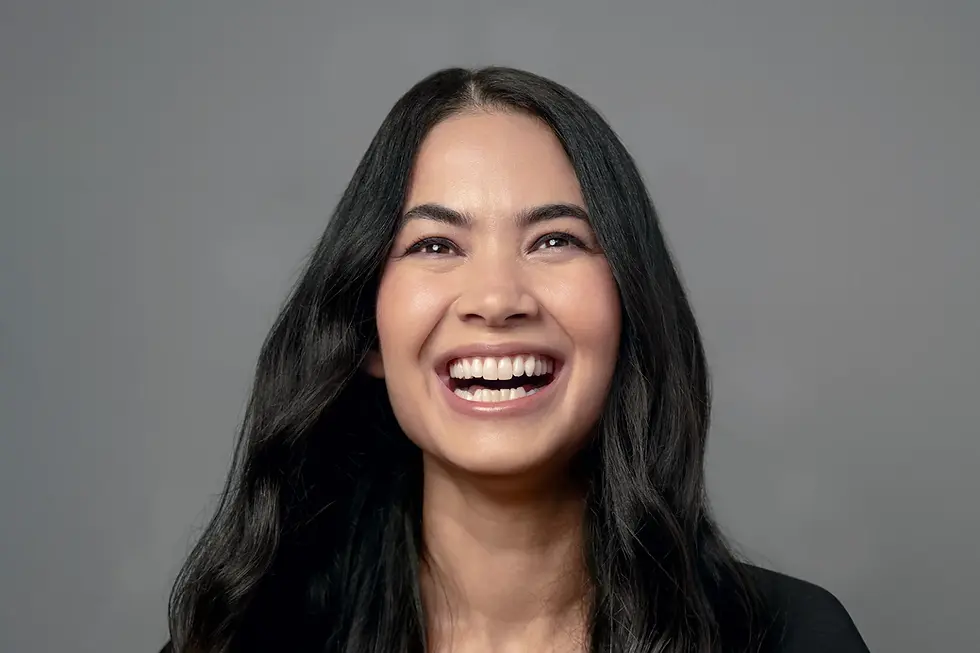
Melanie Perkins, co-founder and CEO of Canva, represents a quieter but equally powerful approach to founder-led marketing. She made headlines with her story of resilience as she built and scaled Canva into a unicorn company.
While she is not the loudest voice online, her presence is aligned with Canva’s core message of empowering the world to design. Her story, from pitching Canva over 100 times before securing funding to building one of the most valuable design platforms globally, reinforces credibility and resilience.
The lesson: Your personal brand makes an impact when you show resilience, relatability, and consistency.
Matilda Djerf — Aesthetic Identity and Owning a Visual World

Matilda Djerf built one of the most distinctive personal brands in fashion by committing completely to a single, specific aesthetic: timeless, Scandinavian, warm, and effortlessly put-together and never deviating from it. What started as an Instagram presence became Djerf Avenue, a cult fashion brand with a global community of devotees who do not just buy her clothes; they want to inhabit the world she represents.
Her brand is a study in the power of visual consistency and the trust that comes from knowing exactly what you stand for. She did not try to be all things. She became the definitive thing in her lane, and the audience followed.
The lesson: Commitment to a specific, ownable aesthetic is itself a brand strategy. When your audience knows exactly what to expect from you visually, they come back not just for the content but for the feeling.
Elaine Welteroth — Journalism, Representation, and Framing Your Story as a Message for Others
Elaine Welteroth became the second African American beauty director and then the youngest editor-in-chief in Condé Nast history at Teen Vogue — and her personal brand turned those milestones into a platform for a much bigger conversation about representation, purpose, and redefining success on your own terms.
Her memoir More Than Enough and her subsequent work in television and advocacy are all extensions of a brand built on a single, consistent message: you belong in rooms that were not built for you, and your presence there changes what is possible for everyone who comes after.
The lesson: Your personal story, framed as a message for others rather than a highlight reel for yourself, is what transforms a career into a brand.
What these personal branding examples have in common
Looking across all 20 of these personal branding examples, five consistent patterns emerge:
Clarity of message
Every strong personal brand is built around a clear, specific idea. Not "I help people succeed" but a precise, ownable point of view that a specific audience finds genuinely useful or meaningful.
Consistency over time
None of these personal brands were built overnight. Every example here reflects years of showing up with the same voice, the same values, and the same commitment to their audience.
Authenticity over performance
The brands that endure are the ones built on lived experience and genuine belief — not polished positioning designed to appear authentic. Audiences are exceptionally good at telling the difference.
A platform strategy that fits the person
The best personal brand examples do not try to be everywhere at once. They identify where their audience lives and go deep on that platform before expanding.
Vague personal brands attract vague audience
Every powerful example of a personal brand on this list is specific about who they serve, what they believe, and what makes them different.
The same approach is at the core of what Maude Labs is building, led by founders Erika Aquino and Tin Santos.

From developing a clear brand foundation through visual identity and messaging, to creating structured content plans that allow personal brands to show up consistently, Maude Labs supports clients at every stage. As a transformation lab, the focus goes beyond strategy. It is about driving real, visible results for every client.
Work with a Personal Branding Agency
For many founders, executives, and leaders, building a personal brand alongside everything else they are managing is genuinely difficult. The strategy, the content, the consistency, the positioning all these are a significant undertaking, and doing it well requires both clarity and commitment.
This is where a personal branding agency can make a significant difference.
Maude Labs is a global personal branding agency that works with founders, executives, and leaders to build brands that are strategic, story-led, and deeply human.
Maude's approach begins with a comprehensive brand which includes a (usually) 70-pages deep dive into your website, social media presence, positioning, visual identity, tone of voice, and competitive landscape. The goal is to give you a clear picture of where you stand and a precise roadmap for where to go.
From there, Maude offers a full suite of brand-building services: website, VIP photoshoots, event management for community building, thought leadership content for LinkedIn, social media management, podcast outreach and collaborations, and content creation. The team works closely with each client to ensure that everything produced sounds like them — not like a brand manager's approximation of them.
Maude is also deeply committed to amplifying Filipino founders and leaders on the global stage, and works with a growing roster of Southeast Asian entrepreneurs and executives building international reach and recognition.
To learn more or to begin with a brand audit, reach out at discover@maudelabs.com or visit maudelabs.com.


Comments